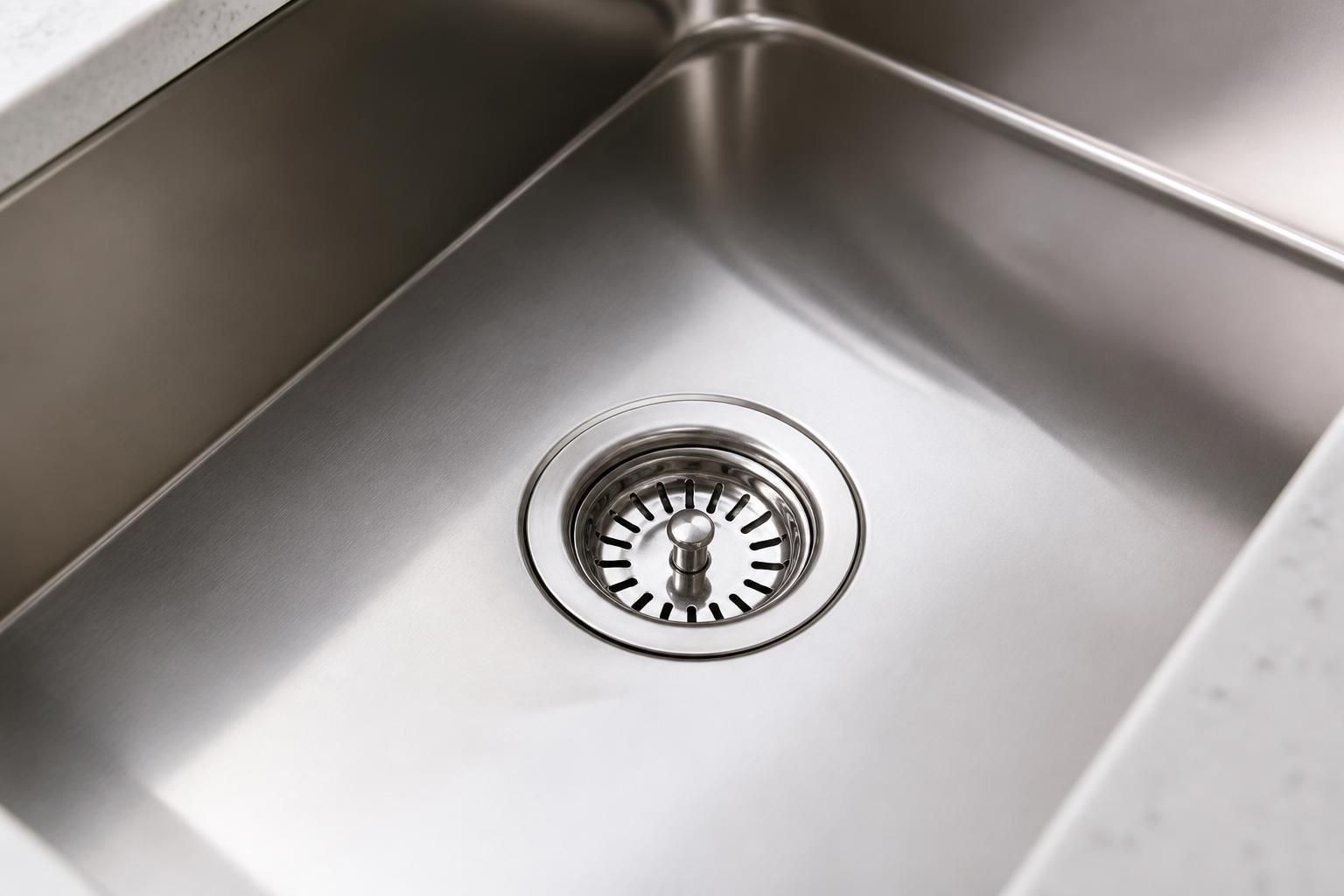
Water taking too long to leave the sink? A shower draining by the inch? Gurgling sounds, bad odors, or a toilet that starts bubbling after you run the tub can point to a clog that is building deeper in the line. When that happens, waiting usually makes the mess worse.
A licensed local plumber can clear blocked drains for homeowners across Rochester, New York before they turn into overflows, standing water, or repeat backups. If you are dealing with a clogged sink, tub, shower, floor drain, or main line slowdown, call Rochester NY Emergency Plumber now and we will help you take the next step.
A drain rarely stops all at once. Most of the time it gives you signals first. Catching those signs early can keep the problem smaller and keep wastewater from backing up where it does not belong.
If the water is rising instead of draining, stop using that fixture and keep other fixtures quiet until a licensed local plumber checks the line.
Different drains clog for different reasons. Kitchen sinks, bathroom sinks, tubs, showers, laundry lines, and floor drains all collect different debris. The right fix depends on what is actually blocking the line.
Grease, food scraps, soap residue, and thick sludge can stick to the inside of kitchen drain lines. Even small amounts build up over time and leave less room for water to pass.
Hair, soap, toothpaste, wipes, and toothpaste caps are common troublemakers in bathroom sinks, tubs, and showers. These clogs often start small and keep catching more debris.
When several drains act up at once, the issue may be deeper in the branch line or main drain. In that case, a plunger at one fixture will not solve the real problem.
Before a licensed local plumber arrives, a few simple steps can help limit the damage and keep the clog from spreading to other fixtures.
If the line is completely blocked, do not force it. Pressure can make the clog harder to remove and can cause water to come up through another drain.
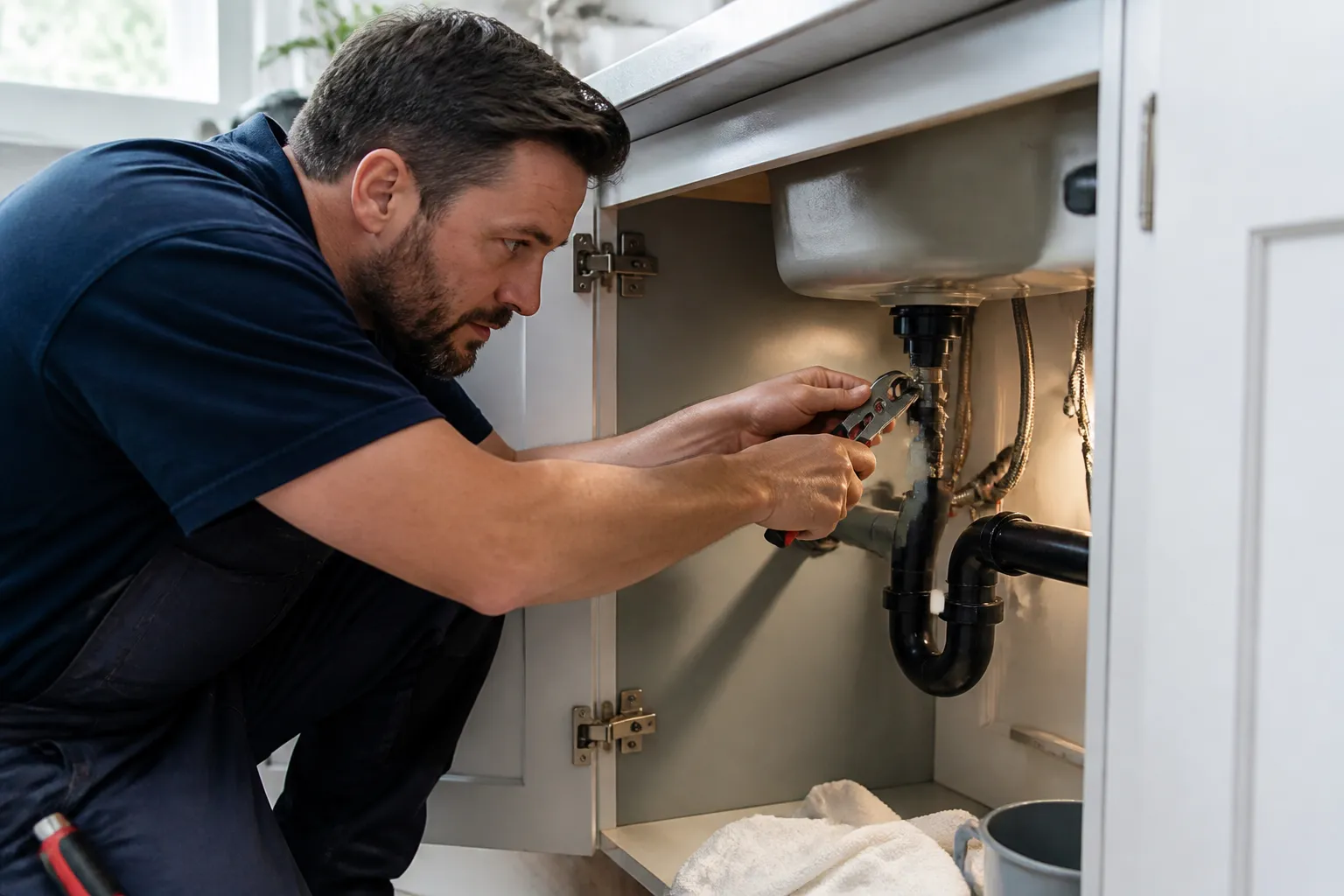
Drain cleaning starts with the symptom, then moves to the source. A licensed local plumber checks what is slowing down, where it is happening, and whether the problem involves a single fixture or a shared drain line. That keeps the fix focused on the actual blockage instead of guesswork.
A licensed local plumber may use different methods based on the drain and the type of clog. A kitchen sink with greasy buildup needs a different approach than a shower drain packed with hair. A floor drain in a basement may need a different plan than a backed-up toilet line.
If a line clogs again soon after clearing, there may be a deeper issue that needs a closer look. A licensed local plumber can investigate the deeper restriction and help narrow down the cause.
Kitchen drains take a beating. Grease cools inside the pipe. Food particles catch on that residue. Soap helps the buildup stick. Before long, the sink drains slowly or backs up when the dishwasher runs.
Signs your kitchen drain needs attention include a sink that fills faster than it empties, a smell from the drain opening, or water coming back up after you rinse dishes. If the clog is still small, the sink may seem to clear for a moment and then slow again. That usually means the blockage is not gone.
To help protect the line, scrape plates into the trash, avoid pouring grease into the drain, and stop using the sink if water is not moving out at a normal pace.
Bathroom drains often clog from hair, soap residue, and items that should never go down the line. Tubs and showers are common trouble spots because hair catches easily and keeps building into a mat.
Watch for water pooling around your feet during a shower, a sink that drains with a gulping sound, or a tub that empties much slower than it used to. If the toilet also bubbles when water runs elsewhere, the drain line may be shared and the blockage may be farther along.
Simple routine habits can help, but once a blockage is forming, a licensed local plumber may need to clear the line directly. Surface cleaning will not reach what is stuck inside the pipe.
A drain that keeps clogging is more than a nuisance. It may mean the line has a buildup that was only partly cleared, or that the pipe has a restriction that catches debris again and again.
Repeated clogs can happen when:
If you keep plunging the same drain and it never stays clear, it is time to look beyond the surface clog. A licensed local plumber can investigate the source and recommend a practical next step.
Plunging may open a small path through the clog, but it can leave the rest of the buildup inside the pipe. That is why the water clears for a while and then slows again.
It is better not to. Harsh drain chemicals can damage pipes, splash back, or make the blockage harder to work on later. They also do not solve every type of clog.
Gurgling usually means air is trapped by a blockage or partial blockage. It can be a sign that the drain is struggling to move water and air at the same time.
When multiple fixtures slow down at once, the issue may be in a shared line instead of one sink or tub. That needs more than a single-fixture fix.
Tell us which drains are slow, what the water is doing, how long it has been happening, and whether any odors, gurgling, or backups are present.
Yes. If the blockage is deeper in the system, water may back up through another drain or fixture instead of the one you are using.
If a drain is backing up, do not wait for it to get worse. A small clog can become a bigger mess fast. Call Rochester NY Emergency Plumber for drain cleaning help in Rochester, New York, and tell us what is happening. A licensed local plumber can assess the blockage and explain the next step for clearing the drain.
Call (585) 986-5408 now for fast help from Rochester NY Emergency Plumber.
Get Help Now
Tell us what is happening. We connect you with a licensed local plumber fast. Call or text now, or send the short form below.