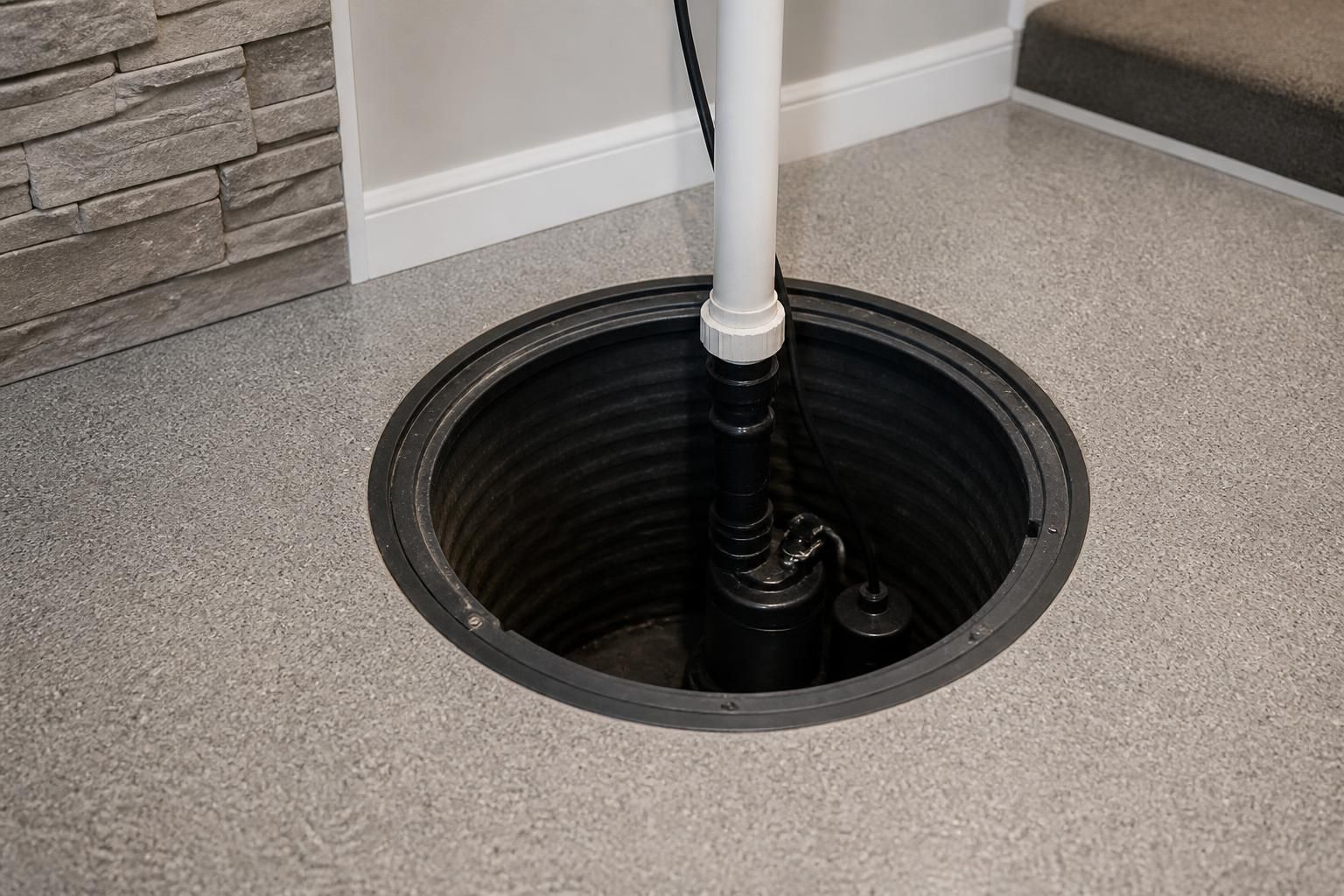
Water around the sump pit is a bad sign. So is a pump that keeps running, makes a grinding sound, or does nothing when water rises. If your basement is starting to take on water, the next step is simple: call Rochester NY Emergency Plumber and get help before the damage spreads.
A sump pump problem can turn into a flooded basement fast. We connect Rochester, New York homeowners with a licensed local plumber for sump pump repair and installation, so you can get back ahead of rising water, failing equipment, and repeated alarms. If the pump will not start, will not stop, or cannot keep up, a licensed local plumber can take a look and get the right fix started.
A sump pump only helps when it can sense water, move it out of the pit, and discharge it away from the house. When one part fails, the whole setup can stop protecting the basement. Some problems are mechanical. Others are caused by a clogged discharge line, a stuck float, or a pump that has worn out from repeated use.
Rochester homes can see heavy use from spring thaw and strong rain. That means a pump that seemed fine last season may struggle when water arrives quickly. A licensed local plumber looks for the cause, not just the symptom, so the actual failure gets repaired instead of guessed at.
Do not wait for standing water before you pay attention. A sump pump often gives early warnings. If you notice these signs, the system may already be close to failing.
If water is already collecting, there are a few practical steps you can take while waiting for help. These steps are simple and can reduce damage.
If the pump is making a loud electrical hum or the breaker has tripped, do not keep restarting it. That can make a bad failure worse.
Once the plumber gets there, they check the pump, float, pit, discharge line, and power source. The repair may be simple, or the unit may be too far gone to keep relying on it. A licensed local plumber can handle both repair and replacement work for sump pump service, depending on what the inspection shows.
If the motor is worn out, the pump runs weakly, or the unit has already failed more than once, a replacement may be the safer choice. The plumber can talk through the condition of the existing setup and what the new installation would involve, so you can choose with clear information.
Sump pump installation is not just dropping a new unit into the basin. The fit matters. The float needs room to move. The discharge path needs to send water away from the home. The pump also needs to match the basement’s water load as closely as possible.
The plumber looks at the basin, the discharge path, and the way the unit will handle the amount of water coming into the pit. If the old pump was underpowered or the float kept binding, those problems should not come back after the work is done.
A sump pump can sit unused for a while, then fail the first time it is needed. That is why a quick check now and then matters. You do not need a long maintenance plan to spot obvious trouble.
If the pump is older or has already had problems, it is worth having it looked at before the next wet spell. That is especially true for homes that have had basement seepage before.
A pump that runs constantly may have a stuck float, a problem in the basin, or a discharge line that cannot move water out fast enough. It can also mean the pit is seeing more water than the pump can handle.
Loud rattling, grinding, or humming usually points to a worn motor, loose parts, or debris inside the unit. Noise is often a sign that the pump needs attention soon.
That often means the discharge line is blocked, the impeller is damaged, or the unit is too weak for the job. The pump may sound active while doing very little.
Yes. If the float cannot rise and trigger the pump, the unit may never turn on even as the pit fills.
If the pump is already struggling, replacement can be smarter than waiting for a failure during heavy water use. The right answer depends on the condition of the motor, switch, and discharge line.
Once the water is out, check what caused it. A failed pump, blocked discharge line, or float problem should be corrected before the next storm or thaw.
If your sump pump is acting up, do not wait for the basement to fill. Call Rochester NY Emergency Plumber at (585) 986-5408 or email dispatch@rochesternyemergencyplumber.com. We help homeowners in Rochester, New York with sump pump repair and installation, and we can help you decide what needs to happen next.
Rochester NY Emergency Plumber
Phone: (585) 986-5408
Email: dispatch@rochesternyemergencyplumber.com
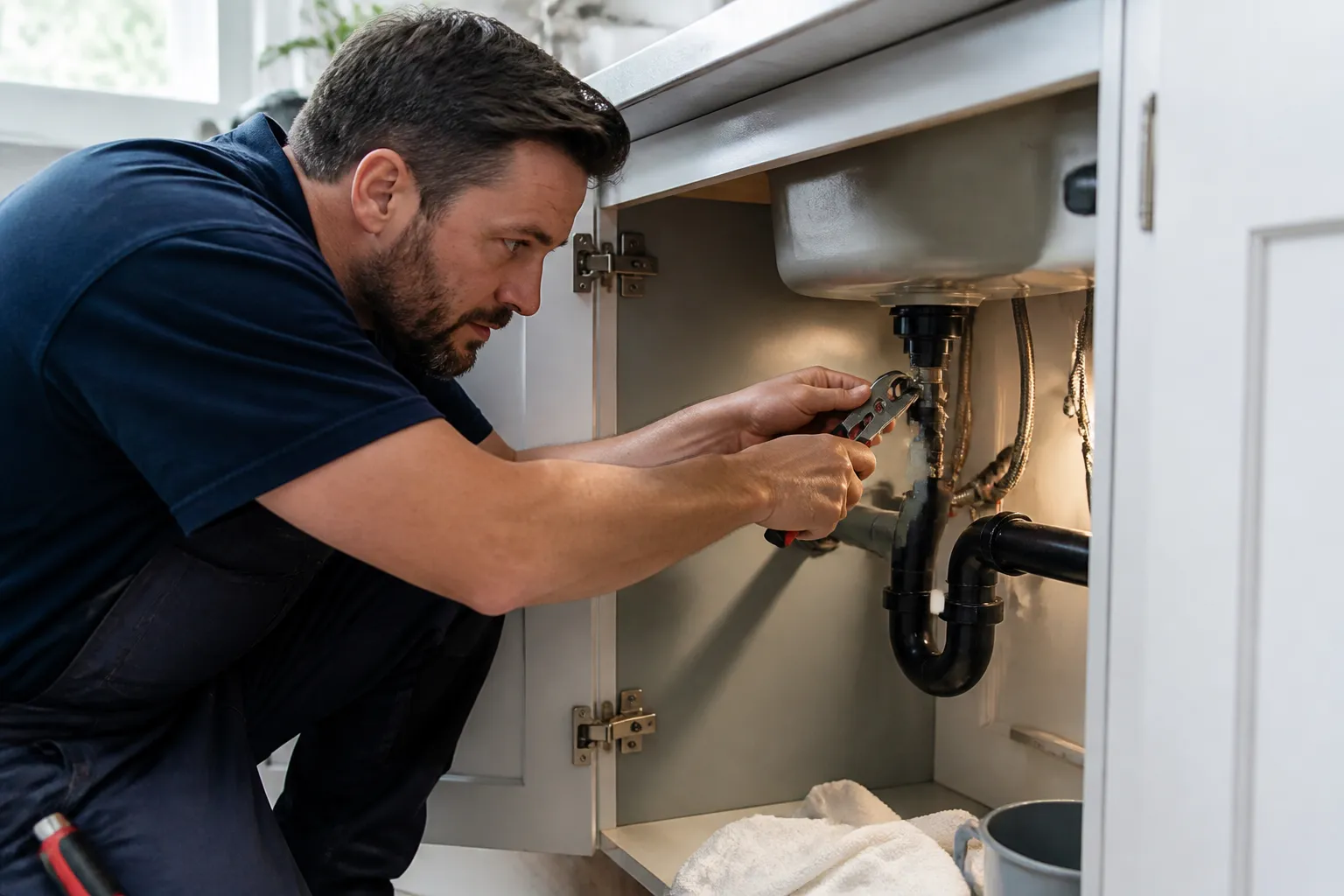
Get Help Now
Tell us what is happening. We connect you with a licensed local plumber fast. Call or text now, or send the short form below.