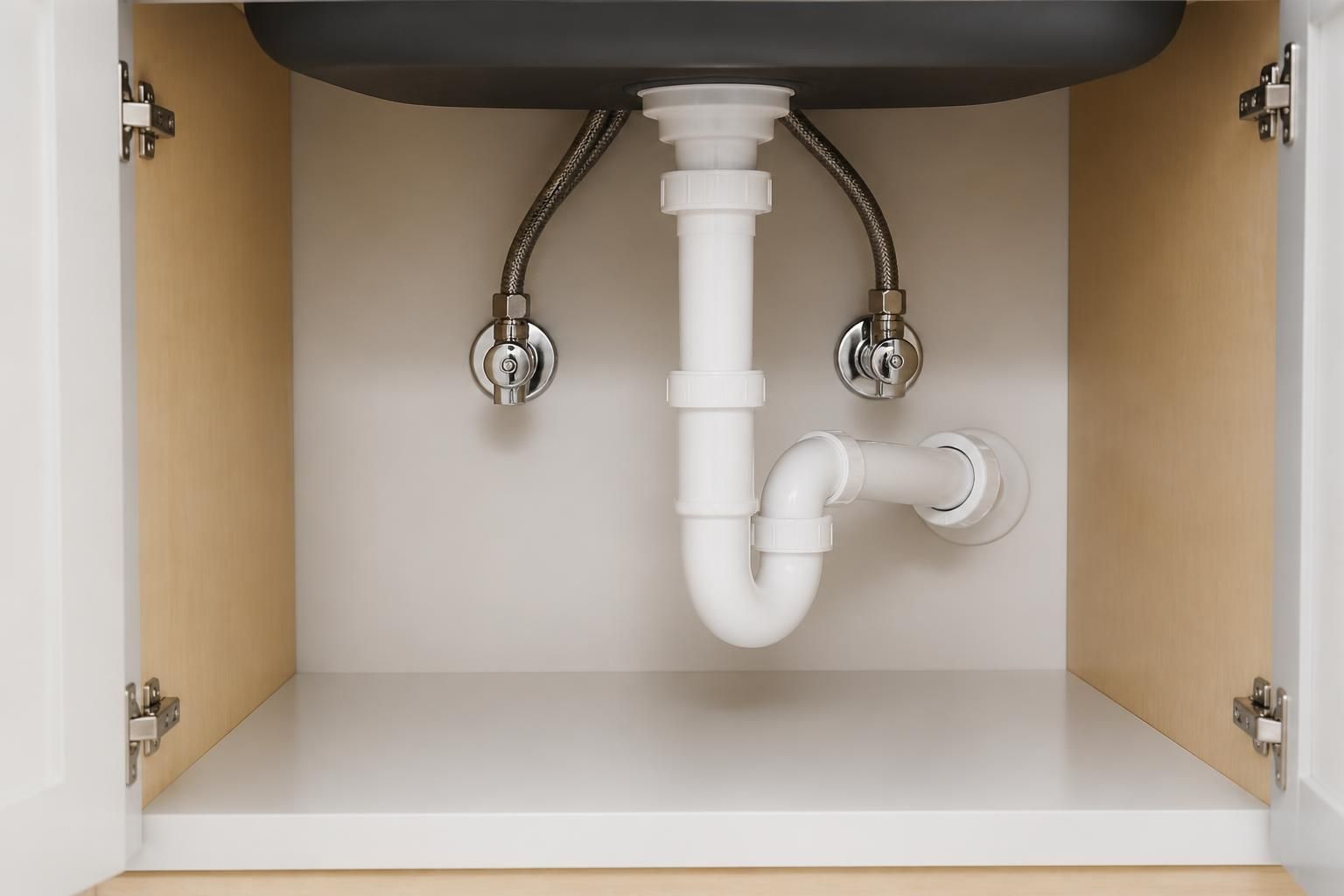
If water is spreading across the floor, a pipe has split, or a drain has backed up, act now. Shut off the nearest water if you can, move anything that can be damaged, and call Rochester NY Emergency Plumber right away at (585) 986-5408.
When a plumbing problem turns urgent, the goal is simple: stop more water from getting out, reduce damage, and get the right repair started. We help homeowners across Rochester, New York with sudden leaks, clogged drains, failed water heaters, sewer backups, sump pump trouble, and other plumbing problems that cannot wait.
Some plumbing problems start small and then change fast. A slow drip can become a soaked wall. A weak flush can turn into a full backup. A noisy pipe can turn into a burst line. If you are not sure whether the problem is serious, treat it seriously and call.
Common reasons people reach out include:
Rochester NY Emergency Plumber is set up for urgent calls like these. We focus on the problem at hand, then move toward a repair that matches the damage and the source.
If you are standing in water, quick actions matter. Do these before help arrives if it is safe to do so.
If the problem involves a gas line and you smell gas, leave the house first and call the utility or 911 before anything else. Do not use switches, flames, or appliances.
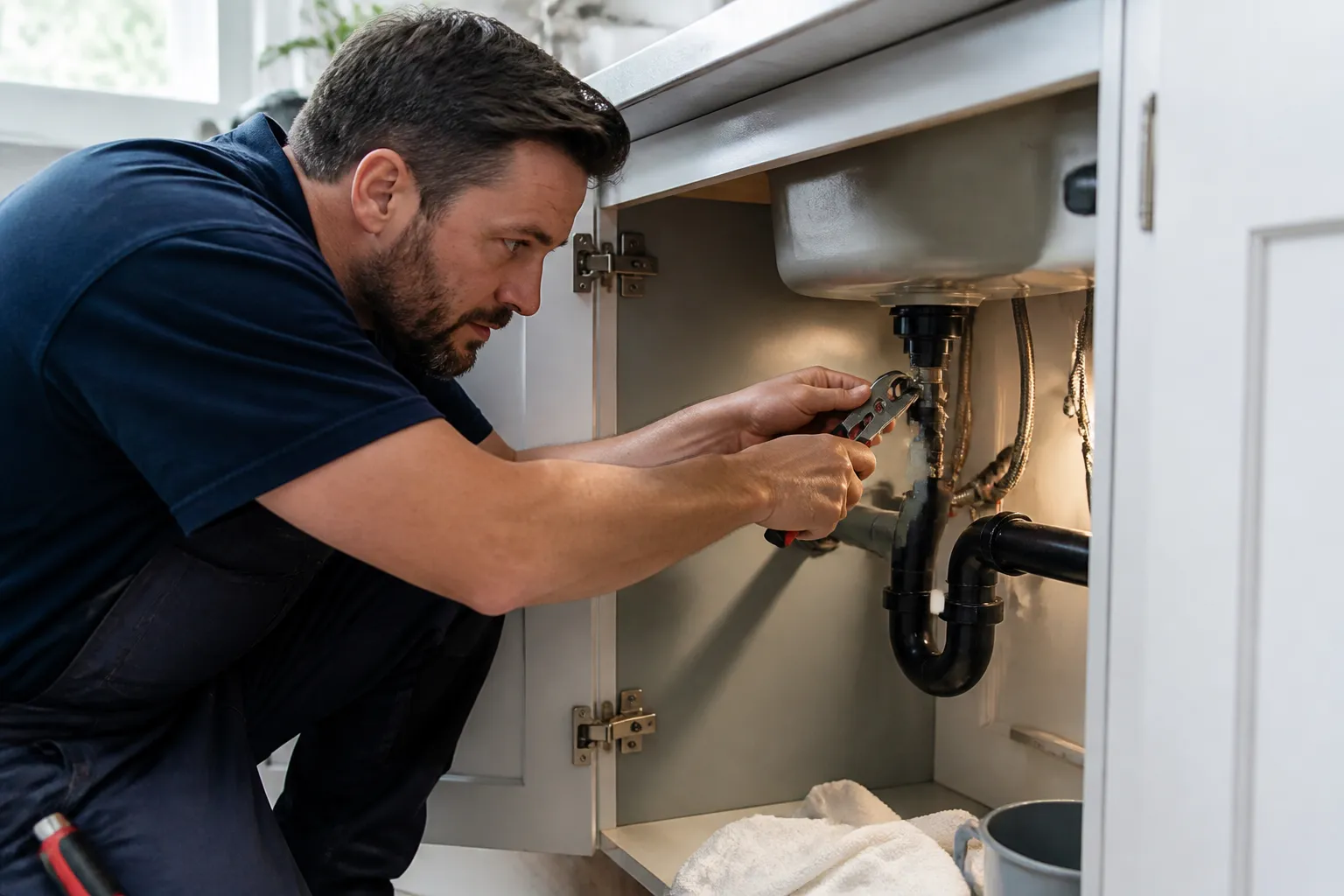
When a licensed local plumber arrives, they look for the source, not just the wet spot. Water can travel along framing, through a ceiling, or under flooring before it shows up where you notice it. The plumber checks where the problem begins, then decides on the next repair step.
Depending on the situation, a licensed local plumber may handle work such as:
The licensed local plumber explains what failed, what needs to be done now, and what can wait. If a repair is enough, the plumber handles it. If the damage is larger, the plumber lays out the next step so you can decide with clear information.
Not every plumbing problem starts in the same place. A kitchen sink clog behaves differently than a basement backup. A pinhole leak is not the same as a split line. Knowing the source helps avoid repeat trouble.
A leak may show up as a stain, a damp cabinet, a drip from a ceiling, or water around a toilet base. A broken pipe usually looks more dramatic, with steady water loss and fast damage. If the line is still under pressure, the leak can keep worsening until the water is shut off.
When a sink, tub, or toilet backs up, the issue may be close to the fixture or deeper in the line. If more than one drain is affected at once, that often points to a larger blockage. Waste water should never be ignored, since it can spread into floors and lower levels quickly.
No hot water, rusty water, strange noises, or a leak near the tank are all warning signs. A water heater can fail suddenly after showing small clues first. If the tank is leaking, shut off the water supply and power source if you can do so safely.
Some quick fixes make the damage worse. Avoid these mistakes while you wait for help:
Simple restraint can save a lot of cleanup. The less extra water or pressure you add, the easier the repair can be.
A licensed local plumber checks the symptoms, traces the problem to its source, and carries out the repair that fits the actual issue.
The licensed local plumber may perform tasks such as:
If there is more than one issue, we point that out. For example, a clogged drain and a worn line may both need attention. A sump pump problem can reveal a separate drainage issue. A clear explanation matters when you are deciding what to fix first.
Here are some of the most common questions we hear from homeowners in Rochester, New York.
Tell us where the water is, what you see, and whether the leak is still active. If there is a shutoff valve you used, mention that too.
That depends on the problem. A small leak may be manageable while you wait. A sewage backup or gas odor is a different situation and may require you to leave.
If the leak is not coming from one fixture you can isolate, yes. Closing the main valve can limit damage while you wait for service.
Slow drainage can still point to a clog building deeper in the line. It is worth addressing before it becomes a backup.
Not always, but it can mean water has already moved through the structure. A stain should be checked, especially if it grows or feels damp.
Yes. If the pump does not start, cannot keep up, or loses power during heavy rain or snowmelt, water can rise quickly.
If you need help with a plumbing problem that cannot wait, call Rochester NY Emergency Plumber at (585) 986-5408. You can also reach us by email at dispatch@rochesternyemergencyplumber.com.
We serve Rochester, New York and nearby Monroe County homes with clear communication and fast action on urgent plumbing trouble. If the water is still moving, do not wait.
Phone: (585) 986-5408
Email: dispatch@rochesternyemergencyplumber.com
Get Help Now
Tell us what is happening. We connect you with a licensed local plumber fast. Call or text now, or send the short form below.